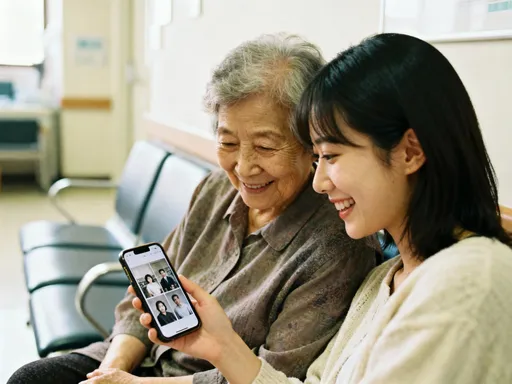
Tired of Feeling Isolated While Learning Online? This Changed Everything
Starting an online course used to feel like walking into a crowded room where everyone knows each other—but you’re invisible. I logged in, completed my lessons, and still felt completely alone. Then I discovered how small shifts in how I used learning platforms helped me connect with real people who shared my goals. It wasn’t about more videos or quizzes—it was about community. And that changed everything. If you’ve ever stared at your screen after putting the kids to bed, sipping cold coffee while finishing a module, wondering if anyone else out there was feeling the same way—this is for you. You’re not behind. You’re not broken. You’re just learning in a system that wasn’t built for connection. But it can be.
The Hidden Struggle Behind Online Learning
When I first signed up for an online course in digital journaling—something I’d wanted to learn for years—I imagined quiet evenings filled with creativity and calm. Instead, I found myself clicking through videos in silence, answering quizzes, and closing the tab with a strange emptiness. I had the knowledge, yes, but no one to talk to about it. No one to say, “Wait, did you understand that part about time-stamping entries?” or “This reflection exercise actually made me cry.” The loneliness wasn’t loud. It was quiet, like a hum in the background of every login. And I wasn’t alone in feeling it.
Studies show that over 60% of online learners drop out before finishing their courses, and while scheduling conflicts and motivation are often blamed, there’s another, quieter reason: isolation. We’re social beings. Even when we’re learning solo, we crave the nod of understanding, the shared laugh over a confusing diagram, the “me too” that makes us feel seen. Without it, learning becomes mechanical. You absorb facts, but they don’t stick the way they do when you’ve talked them through with someone else. It’s the difference between reading a recipe and cooking a meal with a friend—both get you to the same dish, but one leaves you fuller in more ways than one.
For busy women—mothers, caregivers, professionals managing multiple roles—online learning is often the only flexible option. But that flexibility can come at a cost. After a day of meeting everyone else’s needs, logging into a silent platform can feel less like self-improvement and more like another task on the list. I remember one night, after helping my youngest with homework and folding laundry, I opened my course only to find my progress bar at 78%. I wasn’t proud. I was tired. And I was lonely. That’s when I realized: the problem wasn’t me. It wasn’t even the course. It was the missing human touch.
Why Connection Matters as Much as Content
Here’s something we don’t talk about enough: learning isn’t just about what you know—it’s about how you feel while you’re learning it. And when you feel supported, you stick with it. Think about it. When was the last time you tried something new and got stuck? Maybe it was a new recipe, a knitting pattern, or setting up a printer. What made the difference in whether you gave up or kept going? Chances are, it was a person. Someone who said, “I’ve been there,” or “Try this,” or even just “You’ve got this.” That’s the power of connection.
When you discuss what you’re learning with someone else, something shifts. Ideas become clearer. Doubts get named and normalized. A concept that felt overwhelming in a video suddenly makes sense when you try to explain it out loud. This isn’t just emotional comfort—it’s science. Research from educational psychology shows that social interaction during learning improves retention, boosts motivation, and increases completion rates. When you talk through a challenge with a peer, you’re not just venting—you’re reinforcing your understanding. You’re teaching, even if you don’t realize it.
And for women in midlife, this kind of support can be transformative. We’re often in seasons of reinvention—rethinking careers, exploring passions, or preparing for the next chapter. Learning becomes more than skill-building; it’s identity work. When you’re trying to figure out who you are beyond your roles, having someone say, “I see you trying. I’m doing that too,” can be quietly revolutionary. It’s not about finding a mentor or a guru. It’s about finding a companion on the path—one who’s walking it too, one step at a time.
How Some Platforms Quietly Support Friendship-Building
The good news? Many learning platforms already have the tools to help you connect. You just have to know where to look. Most of us sign up, dive into the videos, and never explore beyond the main lesson tabs. But tucked away in the menu—often under “Community,” “Discussions,” or “Groups”—are spaces where real conversations are happening. These aren’t just digital bulletin boards filled with robotic comments. When used well, they’re alive with questions, encouragement, and shared aha moments.
Take discussion forums, for example. At first glance, they might seem intimidating—full of technical language or dominated by a few active users. But when you scroll past the top posts, you’ll often find quieter threads where someone has written, “I’m struggling with this week’s assignment,” or “Does anyone else find this module confusing?” These are golden opportunities. A simple reply like, “Yes! I’m stuck on the same part,” can spark a thread that turns into a real exchange. I once commented on a post from a woman in New Zealand who was working through the same time-management course I was. We started trading tips, then swapped emails, and eventually began a weekly voice note exchange. Now, we check in every Friday—no agenda, just two women reflecting on what we’ve learned and how it’s changing our days.
Some platforms go even further. They offer built-in study groups matched by time zone, interest, or learning pace. Others use peer review systems where you exchange feedback on assignments. These aren’t just ways to improve your work—they’re invitations to connect. When you take the time to read someone’s project and leave thoughtful feedback, you’re saying, “I see your effort.” And more often than not, they’ll return the gesture. I’ll never forget the first time someone wrote, “Your reflection on balancing work and family really resonated with me,” under my assignment. I sat back, stunned. Someone had actually read my words. And they cared.
Turning Classmates into Real-Life Friends
It starts small. A comment. A like. A direct message that says, “I loved your post this week.” But over time, these tiny interactions build something real. I didn’t set out to make friends when I started my course. I just wanted to learn how to create digital journals. But when I began replying to others’ posts—not just with “Great job!” but with genuine questions like “How did you decide on that color palette?”—something shifted. People started responding to me. Then one woman messaged me privately: “I love your perspective. Want to chat sometime?”
We scheduled a 15-minute call. It turned into 45. We talked about the course, yes, but also about our kids, our morning routines, the books we were reading. By the end, we’d made a plan to meet every two weeks. That was two years ago. Today, she’s one of my closest friends. We’ve never met in person, but I know her voice, her laugh, her dreams. We celebrate each other’s wins—like when she launched her small online shop—and we show up during hard moments, like when my dad was ill last winter. Our friendship didn’t replace in-person connections. It expanded them.
What made it work? Shared purpose. We weren’t just connecting randomly. We were bonded by a common goal—to grow, to learn, to become more intentional with our time and creativity. That gave our conversations depth from the start. We weren’t small-talking about the weather. We were talking about what mattered to us. And because we were both showing up as learners—vulnerable, trying, sometimes failing—we didn’t have to perform. We could be real. That kind of space is rare, especially for women who spend so much of their lives caretaking. In our calls, we weren’t moms, wives, or employees. We were women becoming.
Making the Most of Your Learning Community
So how do you start? The truth is, it doesn’t take much. You don’t need to become the most active person in the group or host weekly webinars. Small, consistent actions build connection over time. Begin by reading a few discussion posts each week—not just skimming, but really reading. Then, pick one that resonates and leave a thoughtful comment. Instead of “Nice post!” try “I’ve been thinking about what you said about morning routines. I’ve been trying to protect that time too—what’s one thing that’s helped you stay consistent?”
That kind of question opens the door. If the person responds, reply back. After a few exchanges, you might say, “Would you be open to a quick 10-minute chat this week? I’d love to hear more about your approach.” Most people say yes. And if they don’t? No harm done. The key is to stay warm, curious, and low-pressure. Think of it like starting a conversation at a coffee shop—friendly, respectful, and open-ended.
Another powerful move? Share your own struggles. It’s tempting to only post polished updates—“Finished Module 3!”—but vulnerability invites connection. When I wrote, “I missed my deadline this week. Life got overwhelming,” I expected silence. Instead, I got six replies from women who said, “Same. Let’s regroup.” One even started a “Grace Period Group” for those of us juggling big life stuff. We now check in every Sunday with one word and one intention for the week. It takes five minutes, but it keeps us grounded.
And don’t underestimate the power of simple recognition. A “This made me smile” reaction, a “Thank you for sharing this” message—these tiny gestures build trust over time. They say, “I see you.” In a world where so many of us feel invisible, that matters more than we realize.
Balancing Learning Goals and Social Energy
Now, let’s be real: you’re not signing up for a course to make friends—you’re doing it to learn. And that’s okay. Connection should support your growth, not distract from it. The key is balance. You don’t have to join every group chat or reply to every post. In fact, trying to do it all can lead to burnout—another form of exhaustion we’re all too familiar with.
Start by setting boundaries. Decide how much time you can realistically give to community interaction. Maybe it’s 20 minutes a week. Maybe it’s one voice call a month. Protect that time like you would any other appointment. And if a conversation starts to feel draining—maybe someone is oversharing or the chat is getting off-topic—it’s okay to step back. You don’t owe anyone your emotional labor.
Focus on quality over quantity. It’s better to have one meaningful exchange than ten superficial ones. Choose one or two people whose energy feels aligned with yours and nurture those connections. Let them know you’re there, but also be clear about your limits. I once told a study buddy, “I love our chats, but I need to keep them to 30 minutes so I can be present with my family after. Is that okay?” She said yes—and respected it. That honesty deepened our trust.
Remember, the goal isn’t to become best friends with everyone in the course. It’s to find your people—the ones who inspire you, challenge you, and remind you why you started. And sometimes, that’s just one person. But one person can change everything.
The Ripple Effect of Learning with Others
Looking back, I realize that the most valuable thing I gained from my course wasn’t the skill—it was the sense of belonging. Yes, I can now create beautiful digital journals. But more importantly, I know I’m not alone in wanting to grow, to create, to take up space for myself. That quiet confidence has spilled into other areas of my life. I speak up more in meetings. I set boundaries with more ease. I’m kinder to myself when I stumble.
And the friendships I’ve made? They’ve become anchors. When I’m overwhelmed, I don’t have to figure it out alone. I have women I can text with a single emoji and know they’ll understand. We celebrate each other’s progress, not with grand gestures, but with simple, steady presence. That kind of support doesn’t fade when the course ends. It grows.
Online learning doesn’t have to be a lonely journey. It can be a doorway—to new skills, yes, but also to new connections, new confidence, and a deeper sense of self. The next time you log in, don’t just click play on the video. Pause. Look around. Someone else is out there, feeling the same way you do. Say hello. You might just find your person. And that—more than any certificate—will change everything.