Tired of Family Chaos Over Schedules? This App Brought Us All Together
Life at home used to feel like a constant game of catch-up—missing appointments, double-booked weekends, kids’ activities slipping through the cracks. I’d stare at three different calendars and still get it wrong. Then we tried something simple but transformative: a shared document app that actually works *with* family life instead of against it. No tech expertise needed—just real results. It didn’t just organize our time; it calmed our home. And honestly, it didn’t take a tech genius or a big budget—just one small change that made everything else feel lighter.
The Daily Chaos No One Talks About
Let’s be real—most of us aren’t failing because we don’t care. We’re failing because the tools we’re using just aren’t built for real life. Think about it: how many times have you sent a quick text like “Don’t forget soccer at 5,” only to find out later that it got buried under grocery ads and meme chains? Or worse—you assumed your partner saw it, but they didn’t. That’s exactly what kept happening in our house. My son’s piano recital? Missed because I thought my husband had it on his phone. My daughter’s science fair? We showed up an hour late because the flyer said one time, and the email said another. These weren’t huge mistakes, but they piled up—like tiny paper cuts to our family peace.
And it wasn’t just events. The mental load was exhausting. I was the default rememberer—the one who kept track of dentist appointments, teacher conferences, birthday parties, and which kid needed cleats by Friday. I’d write things down on sticky notes, then lose them. I’d jot reminders in my phone, but my husband couldn’t see them. We were living in parallel, not in sync. That constant low hum of stress—“Did I miss something?”—was always there. It made me short-tempered. It made us argue over things that shouldn’t matter. We weren’t bad parents or bad partners. We were just using broken systems.
What I’ve learned since is this: the problem wasn’t us. It was the tools. Most families operate on memory, assumptions, and fragmented messages. But families today are complex. We’re not just managing two adults and two kids. We’re coordinating with grandparents, babysitters, coaches, teachers, and after-school programs. We need something better than guesswork. We need visibility. We need clarity. And we need it in a way that doesn’t add more work to an already full plate.
How We Accidentally Found a Better Way
The turning point came after a really rough week. I missed picking up my daughter from dance class—again—because my husband was sure I had it on my calendar, and I was sure he did. We both felt terrible. She waited 45 minutes in the studio hallway, cold and confused. That night, instead of blaming each other, we sat down and asked, “How do we fix this for good?”
That’s when I remembered a tool I’d used at work—a simple document collaboration app. I’d used it for team projects, meeting notes, even event planning at the office. It allowed multiple people to edit the same document in real time, see changes instantly, and get notified when something was updated. I thought, “Why can’t we use this for our family?” It wasn’t built for families, but it didn’t need to be. What mattered was that it worked—no syncing issues, no confusing interfaces, just a shared space where everyone could see what was going on.
We started small. That night, we created a shared calendar in the app. I color-coded each family member—blue for me, green for my husband, pink for my daughter, yellow for my son. We added the next two weeks of commitments: school events, work trips, soccer practices, even grocery runs. And then we did something radical—we both opened it on our phones and made a change at the same time. I added a dentist appointment for the kids, and he saw it appear instantly. No text. No call. Just… there.
That small moment felt like magic. For the first time, we weren’t relying on memory or messages that could be missed. We had a single source of truth. It didn’t solve everything overnight, but it stopped the constant back-and-forth. No more “Did you get my text?” No more “I thought you were handling that.” We weren’t perfect, but we were finally on the same page—literally.
Turning a Work Tool Into a Family Lifeline
Once we saw how well the calendar worked, we started thinking bigger. If this app could keep us on track with time, what else could it do? That’s when we realized: families are teams. We have shared goals, shared responsibilities, and shared memories. So why not use team tools at home?
We created shared folders for different parts of our lives. One folder for school—where we stored permission slips, project due dates, and teacher contact info. Another for meal planning—where we added weekly menus and grocery lists. We even made a “vacation ideas” folder where everyone could drop links to places they wanted to visit. My son added a beach resort in Florida. My daughter pinned a mountain cabin with a fireplace. It became a place of dreaming, not just doing.
The real game-changer was real-time updates. Before, if I changed dinner plans, I’d text the family. Now, I just update the shared meal plan, and everyone sees it instantly. My daughter checks it before heading to soccer to see if she needs to come home early. My husband adjusts his commute if a meeting runs late. There’s no confusion, no frustration—just clarity.
And because the app works across devices—phones, tablets, even computers—we could access it anywhere. Waiting at the doctor’s office? I’d add a reminder about a prescription refill. At my mom’s house? I’d update her visit schedule so the kids would know when Grandma was coming. It became our family’s living document—a digital hub that grew with us, not a static calendar on the fridge that got ignored.
Beyond Calendars: Managing Chores, Meals, and Memories
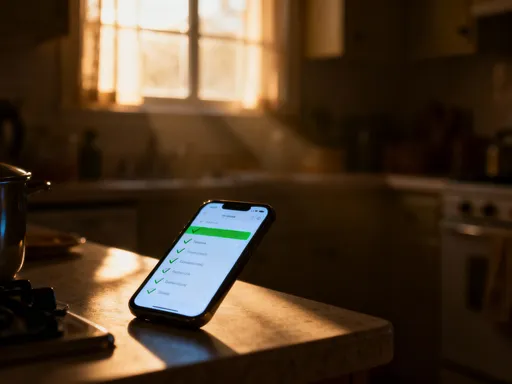
Once we got comfortable with the calendar, we expanded. The app became our family command center. We added a chore chart—simple, visual, and editable. Each kid had a row with their tasks: “Take out trash,” “Feed the dog,” “Clear the table.” When they finished something, they’d check it off. No nagging. No “I did it!” “No, you didn’t!” arguments. Just a clear, shared record of what was done.
The kids loved it. My son started racing to finish his chores so he could mark them complete. My daughter asked if she could add “help with dinner” as a task so she could earn extra points for a new art set. It turned responsibility into something visible and rewarding—not a punishment, but a contribution.
Meal planning was another win. Every Sunday, we’d sit together and plan the week’s dinners. We’d add recipes, note who was cooking, and build the grocery list right in the app. No more last-minute “What’s for dinner?” stress. No more driving to the store three times a week because we forgot ingredients. The list updated in real time—if my husband grabbed milk on his way home, he’d check it off, and I’d see it was done.
But one of my favorite additions was the “family wins” log. It started as a joke—my husband added “Didn’t burn the toast!”—but it quickly became something meaningful. Now, we all add little victories: “Got an A on my spelling test,” “Fixed the leaky faucet,” “Made it to yoga class.” It’s not about grand achievements. It’s about noticing the good stuff. On tough days, we scroll through it and remember how far we’ve come. It’s become our digital gratitude journal—simple, shared, and full of heart.
Making It Work for Every Age and Tech Level
I’ll admit, I was nervous about getting everyone on board. My mom, especially. She’s amazing—helps with the kids, brings meals when we’re sick, always has a listening ear—but she’s not what you’d call tech-savvy. When I first mentioned the app, she said, “I don’t do apps. I barely check email.” I almost gave up. But then I realized: the beauty of this tool is that it doesn’t require tech skills. It just requires a link.
So I sent her a simple invitation link. No download, no login, no password to remember. She clicked it, and there it was—our family calendar, clear and colorful. I walked her through it over the phone: “See your name in green? That’s your visits. If you want to change the date, just click and type.” She was skeptical, but she tried it. And when she saw her update appear on my phone instantly, she said, “Well, I’ll be.”
Now, she updates her schedule herself. She adds when she’s coming to babysit, when she needs a ride to the doctor, even when she’s bringing over her famous apple pie. No more phone tag. No more missed messages. She feels included, not left out. And that’s worth more than any feature.
The same goes for the kids. My 10-year-old now updates his own homework deadlines. My 8-year-old adds her dance schedule after class. Even our babysitter has access to the calendar—so she knows when pickup is, what meals to heat up, and which bedtime story to read. It’s not about control. It’s about connection. Everyone feels seen, heard, and part of the team.
Real Results: Less Stress, More Time for What Matters
The changes didn’t happen overnight, but within a few weeks, something shifted. The house felt quieter—not because we were doing less, but because we were doing it together. The constant background noise of “Did you remember?” and “Who’s picking up?” faded. We weren’t perfect, but we were present.
I noticed it in small ways. My husband started coming home earlier because he could see I had a late meeting. My daughter stopped asking, “Are we doing anything fun this weekend?” because she could check the calendar herself. We started having more spontaneous moments—Friday movie nights, Saturday pancake breakfasts—because we weren’t drowning in logistics.
But the biggest change was emotional. I felt lighter. The mental load—the invisible work of remembering everything—had been lifted. I wasn’t the only one holding the family together. We were doing it together. And that made us stronger. We argued less. We laughed more. We had space to just *be*—to talk, to play, to breathe.
One night, as we sat around the table planning the next week, my son looked up and said, “This is kind of cool. We’re like a real team.” And he was right. We weren’t just sharing a calendar. We were sharing responsibility, trust, and time. And that’s the real win—not fewer missed events, but more moments that matter.
Start Small, Stay Together
If you’re feeling overwhelmed by the chaos, I get it. You don’t need to overhaul your entire life to start. You just need one small step. Pick one pain point—the thing that causes the most stress. Is it soccer practice? Grocery runs? Doctor appointments? Start there. Create one shared document. Invite one person. Make one change.
It doesn’t have to be perfect. It doesn’t have to include everyone right away. The goal isn’t control. It’s connection. It’s about creating a space where everyone feels included, informed, and valued. It’s about turning the daily grind into something that brings you closer, not pulls you apart.
And if you’re thinking, “I’m not techy enough,” remember: neither was I. Neither was my mom. This isn’t about being a digital expert. It’s about being a family. And families thrive when they’re on the same page—literally and emotionally.
So take that first step. Try it for a week. See how it feels to not have to remember everything. See how it feels to have your partner say, “I saw you added the vet visit—I’ll take the dog.” See how it feels to hear your kid say, “I checked the calendar—I know I have math homework.”
Because at the end of the day, it’s not about the app. It’s about what it gives you back—time, peace, presence. It’s about creating a home that doesn’t just function, but flourishes. And sometimes, the smallest tools bring the biggest changes. One shared document. One family. One step at a time.