I forgot to call Mom again guilt: How a simple family chat tool changed my mornings
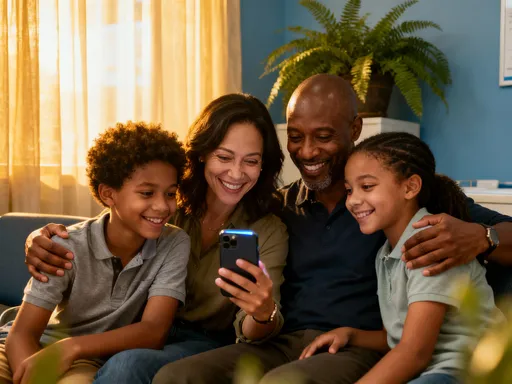
We’ve all been there—rushing through the morning chaos, forgetting the little things, like checking in on Mom or sharing breakfast moments with siblings miles away. That pang of guilt when you realize another day has passed without connecting? It’s real. But what if the same tools we use to set alarms and track coffee runs could quietly strengthen family bonds, starting the moment you wake up? This isn’t about flashy tech. It’s about small, meaningful shifts that make staying close feel effortless—even before your first sip of coffee.
The Morning That Felt Like a Missed Call
It started like any other Tuesday. I was juggling a half-zipped backpack, a toddler who refused to wear socks, and a coffee mug that somehow ended up on the floor—again. As I wiped up the mess, my phone buzzed. A reminder: Mom’s doctor appointment today. My stomach dropped. Not because I’d forgotten the appointment, but because I hadn’t called her in three days. Not since she texted that she was feeling a bit tired. I told myself I’d call after the kids were in bed. But bedtime turned into homework, laundry, and that one episode of the show I promised myself I’d only watch one of. And now, here I was, scrambling through the morning, realizing I’d let another day go by without hearing her voice.
That moment wasn’t unique. It’s one so many of us know too well—the quiet guilt that sneaks in when we realize we’ve missed another chance to connect. It’s not that we don’t care. In fact, it’s the opposite. We care deeply, but life moves fast, especially in the mornings. The pressure to get everyone fed, dressed, and out the door safely often pushes everything else to the margins. And somewhere in that shuffle, the people who mean the most to us—our parents, siblings, grown kids living far away—slip through the cracks. We tell ourselves we’ll call later. But later rarely comes.
What struck me that morning wasn’t just the missed call. It was how small a gesture a phone call is, yet how big it feels when it’s absent. I thought about how Mom probably sat with her tea, glancing at her phone, wondering if I was okay. Did she feel forgotten? Did she think I was too busy for her? The truth is, I wasn’t too busy. I was just distracted, overwhelmed, and caught in a rhythm that didn’t leave space for softness. That’s when I realized: my morning routine needed more than efficiency. It needed heart. It needed a way to honor the people who’ve always been there for me, even when I’m too caught up to notice.
Why Family Communication Falls Through the Cracks in the AM
Mornings are the most decision-heavy part of the day. Researchers have actually found that we make more decisions before lunch than at any other time. From what to wear to how to handle a last-minute work email, our brains are already running on full capacity by 8 a.m. Add kids, pets, traffic, and the constant buzz of notifications, and it’s no wonder that something as important as a family check-in gets pushed aside. It’s not that we don’t value these connections. It’s that we’re mentally maxed out before the day even begins.
Psychologists call this cognitive load—the total amount of mental effort we’re using at any given time. When cognitive load is high, even simple tasks feel overwhelming. That’s why sending a quick “How are you?” text can feel like climbing a mountain at 7:15 a.m. Our brains are already managing a dozen other things: Is the lunchbox packed? Did I turn off the stove? What’s the weather like today? In that mental fog, communication becomes just another item on an already overflowing to-do list. And unlike packing a sandwich or signing a permission slip, it doesn’t have a physical outcome we can see. So it gets delayed. Again and again.
Another factor is habit loops. We tend to repeat the same routines every morning because they require less mental energy. If your current habit loop doesn’t include checking in with family, adding it feels like breaking the rhythm. And we resist that, especially when we’re tired. Plus, there’s the myth of multitasking. We tell ourselves we can text Mom while making breakfast, but the truth is, our attention is divided. We end up doing both poorly—or worse, forgetting one entirely. I once promised my sister I’d send a photo of my daughter’s school play outfit, only to realize hours later I never opened the camera. Not because I didn’t care, but because my brain was juggling too many things at once.
The real issue isn’t that we’re bad at staying in touch. It’s that most communication tools aren’t designed for the messy reality of morning life. Texting requires focus. Video calls demand time and coordination. Social media is noisy and impersonal. What we need isn’t more tools—it’s better ones. Tools that don’t ask us to stop what we’re doing, but instead fit quietly into the moments we already have. Tools that feel less like a task and more like a natural extension of our day. That’s where technology, when used thoughtfully, can actually help us be more human, not less.
Meet the Tools That Work While You’re Half-Asleep
Here’s the good news: you don’t need a new app, a complicated system, or a tech upgrade to stay connected. What works best are simple, low-effort tools that meet you where you already are. Think of them as gentle nudges, not demands. The goal isn’t constant communication—it’s consistent warmth. And the best tools for this are often audio-first or visual, requiring just one tap or no action at all.
One of the most powerful tools I’ve found is voice messaging. Unlike texting, which requires reading and typing, voice notes let you speak naturally, like you’re talking to someone in the same room. You can send one while waiting for the toaster to pop, during a bathroom break, or while walking the dog. I started using a popular voice messaging app with my siblings, and it changed everything. Instead of feeling like I had to write a perfect update, I could just say, “Hey, just wanted you to know the kids made pancakes today—covered in syrup, of course. Miss you!” It takes ten seconds, but it carries so much more emotion than a text ever could. My sister told me she plays our messages while she makes her coffee. “It feels like you’re right here,” she said.
Another game-changer has been shared digital photo boards. These are simple online spaces where family members can upload photos that everyone sees automatically. No need to tag, comment, or even open an app. Some families use smart displays—those little screens that sit on the kitchen counter and show photos, weather, and messages. When I walk into the kitchen now, the first thing I see is a photo my nephew took of his dog chasing a squirrel. It makes me smile before I’ve even poured my tea. My mom, who isn’t great with smartphones, loves it because she doesn’t have to do anything except look. She sends photos through the app when she remembers, and the rest of us see them instantly. It’s connection without pressure.
And let’s not forget automation. Small tech tricks can make a big difference. For example, I set up a daily notification at 7:45 a.m. that says, “Send a hello.” It’s not urgent. It’s not demanding. It’s just a soft reminder to reach out. Sometimes I send a voice note, sometimes a photo, sometimes I just say “good morning” in our family group. The point isn’t perfection—it’s presence. These tools don’t replace real conversations. But they create little bridges between us, especially on days when a long call isn’t possible. They keep the thread of connection alive, even when life is loud.
Designing a Morning Ritual That Connects, Not Overwhelms
The key to making this work isn’t adding more to your plate. It’s weaving connection into what you’re already doing. Think of it like seasoning food—you don’t need a whole new recipe to make it better. A pinch of salt, a sprinkle of herbs, and suddenly it’s more satisfying. The same goes for mornings. You don’t need to carve out extra time. You just need to use the time you have a little differently.
Start by pairing connection with an existing habit. For example, if you always make tea or coffee first thing, use that moment to send a quick update. While the kettle boils, record a 15-second voice note: “Morning from the kitchen. Rainy day here, but the cat’s happy. Hope your night was good.” That’s it. No pressure to be profound. Just presence. One mom I spoke with does this while waiting for her toast to pop. “It takes less time than checking email,” she said, “but it makes me feel like I’m not just surviving the morning—I’m actually living it.”
Another idea is to create a shared “good morning” moment. Some families use a group chat where everyone sends a photo or message when they wake up. It could be your coffee mug, the sky outside your window, your dog stretching. It’s not about performance. It’s about saying, “I’m here. I’m starting the day. I’m thinking of you.” One daughter shared that she sends a sleepy selfie every morning to her parents. “They say it’s the first thing they look forward to,” she told me. “And honestly, it makes me feel less alone, even though we’re miles apart.”
The magic isn’t in the frequency—it’s in the consistency. You don’t have to do this every single day. But when you do, it builds emotional momentum. Over time, these small moments create a sense of closeness that doesn’t depend on big gestures. It’s not about grand reunions or holiday calls. It’s about the quiet, everyday love that says, “You matter to me, even when I’m busy.” And the more you do it, the more natural it feels. It stops being a chore and starts feeling like a comfort, like brushing your teeth or taking a deep breath before walking out the door.
When Tech Feels Human: The Magic of Asynchronous Love
One of the most freeing things I’ve learned is that connection doesn’t have to be live to be meaningful. In fact, sometimes the most powerful moments happen when we’re not even awake at the same time. This is the beauty of asynchronous communication—sending a message now that someone can receive and enjoy later, on their own time. It removes the pressure of instant replies and lets love flow on its own rhythm.
Take my college-aged niece, for example. She’s three time zones away and often stays up late studying. Before bed, she sends a short voice note to our family group: “Just wanted to say goodnight. Miss you all. Love you.” I usually hear it the next morning with my coffee. It feels like a warm hug from across the miles. She doesn’t expect us to reply right away. She just wants us to know she’s thinking of us. And that small gesture does so much—it reminds me that love doesn’t have to be scheduled. It can be spontaneous, quiet, and deeply felt.
Asynchronous communication is especially powerful for families with aging parents. My mom doesn’t like video calls. She says they make her nervous, like she has to look presentable. But she loves receiving voice messages. She listens to them when she’s folding laundry or sipping her afternoon tea. “I feel like I’m right there with you,” she told me. “And I can listen as many times as I want.” There’s no pressure to respond immediately. She can take her time, reflect, and send something back when she’s ready. That freedom makes her more likely to participate, which means we hear from her more often.
This kind of communication also feels more authentic. When we’re not trying to perform for a camera or craft the perfect text, we’re more likely to be real. A sleepy “I miss you” sent at midnight carries more weight than a polished family update posted online. It’s raw, tender, and human. And that’s what makes it stick. Technology, when used this way, stops being a distraction and becomes a vessel for presence. It doesn’t replace face-to-face time. But it keeps the bond alive between visits, especially when life makes those visits rare.
From Guilt to Gratitude: How Mornings Became Meaningful
The shift didn’t happen overnight. At first, I still forgot sometimes. I’d get caught up in a work call or a kid’s meltdown and realize hours later I hadn’t sent anything. But over time, it became easier. And something unexpected happened: the guilt started to fade, replaced by something warmer—gratitude. I began to look forward to those little moments of connection. Instead of dreading the reminder that I hadn’t called Mom, I started feeling proud when I did.
One morning, I played a voice note from my nephew while making breakfast. He was laughing about how his dog tried to eat his homework. The sound of his giggle filled the kitchen, and my daughter looked up and said, “I love when Uncle Ben sends those.” In that moment, I realized this wasn’t just about staying in touch. It was about building a family culture of closeness, one small gesture at a time. We weren’t just sharing updates—we were sharing joy, comfort, and a sense of belonging.
Others have felt this shift too. A friend told me her dad, who used to be quiet and reserved, now sends daily photos of his garden. “He never used to share much,” she said. “But now he texts me a picture of a new flower blooming, and it feels like he’s opening up in a whole new way.” Another woman shared that hearing her mom’s voice note in the morning helps her feel grounded, especially on stressful days. “It’s like she’s giving me a little push of love to start the day,” she said.
These tools didn’t solve every problem. Families still have disagreements, distance still exists, and life still gets busy. But they created space for what matters. They turned guilt into gratitude, isolation into connection, and routine into ritual. And that, more than anything, has changed how I experience my mornings. They’re no longer just a race to get out the door. They’re a chance to remember who I am and who I belong to.
Start Small, Stay Close: Making It Last Beyond the Honeymoon Phase
Like any good habit, this one can fade if we don’t nurture it. The first few weeks are exciting—everything feels fresh and meaningful. But after a while, the novelty wears off. That’s when intention matters most. The goal isn’t perfection. It’s persistence. It’s showing up, even when you don’t feel like it, because the people on the other end of that message are worth it.
One trick that’s helped our family is assigning a “tech buddy”—someone who gently reminds others if the messages slow down. It’s not about policing. It’s about care. “Hey, we haven’t heard from you in a few days. Everything okay?” That small check-in can reignite the habit. We also rotate who shares first each week. It keeps things fresh and gives everyone a chance to lead. Sometimes it’s a photo, sometimes a voice note, sometimes just a song that reminded someone of the family. The variety keeps it feeling alive, not routine.
And we celebrate the small wins. When my mom sent her first voice message without help, we made a big deal out of it. “You’re officially a tech star!” we told her. She laughed, but I could tell she was proud. Those moments of encouragement matter. They remind us that connection is a skill, and like any skill, it grows with practice.
The truth is, the best technology doesn’t shout for attention. It hums quietly in the background, making love easier to show, especially when life gets loud. It doesn’t replace the big moments—the holidays, the reunions, the long talks. But it fills the spaces between them with warmth. It turns “I forgot to call Mom” into “I just heard her voice, and it made my morning.” And that, my friend, is the kind of tech upgrade that truly changes lives.