After Using 7 Ticket Apps This Month, One Finally Made Weekend Trips Stress-Free
You know that last-minute scramble before a weekend getaway—fumbling for tickets, refreshing apps, worrying if the QR code will work? I’ve been there too. It’s exhausting. But recently, something changed. One app quietly transformed how I travel, turning chaos into calm. No hype, no glitches—just smooth journeys. If you’ve ever felt overwhelmed by digital tickets, this is for you. Let me share how a simple switch made weekends feel lighter, freer, and full of joy.
The Weekend Ticket Chaos We All Know
Remember that sinking feeling when you're standing at the gate, your kids are asking questions, your bag is slipping off your shoulder, and you can't find the ticket on your phone? It’s not just inconvenient—it’s emotionally draining. I used to dread those final moments before a trip. Whether it was a quick train ride to visit my sister, a family day at the botanical gardens, or a weekend hiking trail outside the city, the journey often started with stress instead of excitement. I’d spend the first hour of what should have been a relaxing escape refreshing my email, muttering, "Where is it? I know I bought it!"
And I’m not alone. So many women I talk to—mothers, daughters, caregivers, friends—tell the same story. One mom shared how she missed her daughter’s school performance because the event app froze and her ticket wouldn’t load. Another told me she gave up on booking local museum visits because she never trusted the digital pass would work. These aren’t edge cases. They’re the quiet frustrations that chip away at our confidence and joy. We want to explore, connect, and recharge—but too often, the tools we rely on make it harder, not easier.
What’s especially tough is that we’re not just managing our own stress. We’re trying to keep everyone calm—our kids, our parents, our partners. And when technology fails us at the worst moment, it feels personal. Like we’ve let everyone down. But the truth is, it’s not us. It’s the apps. They’re built for transactions, not for real life. And real life doesn’t happen on a perfect Wi-Fi connection with a fully charged phone.
Why Most Ticket Apps Fall Short
Here’s the hard truth: most ticket apps don’t understand how we actually live. They’re designed by teams focused on data, not on the woman rushing to catch a train with a stroller and a snack bag. They prioritize features that look good on a website—like flashy graphics or loyalty points—but ignore the basics: reliability, clarity, and ease of use when it matters most.
Think about it. How many times have you opened an app only to be bombarded with pop-ups, countdowns, and notifications for events you’re not even attending? Or worse—how often have you tapped frantically on a QR code that just won’t scan, while the person behind you starts to sigh? Many apps don’t save tickets locally, so if your phone dies or the network drops, you’re stuck. Others don’t sync across devices, meaning your husband can’t access the concert tickets even though he’s the one picking them up.
And let’s talk about organization. I used to have tickets scattered across email, text messages, five different apps, and even screenshots buried in my photo library. One weekend, I realized I’d accidentally shown an old movie ticket at the train gate—thankfully, the attendant was kind, but I felt embarrassed and frazzled. These apps don’t work together. They don’t talk to your calendar. They don’t remind you to leave 15 minutes early because of traffic. They don’t care if you’re stressed. They just want the sale—and then they disappear.
The problem isn’t that these apps are evil. It’s that they’re built for businesses, not for people. And when we’re the ones holding the phone, managing the family, and trying to make memories, that gap hurts. We don’t need more features. We need fewer headaches.
How the Right App Changed My Weekend Rhythm
Then, everything shifted. I stumbled on an app—after trying seven others in just one month—that didn’t feel like another chore. It felt like a helper. From the first time I opened it, I noticed the difference: clean layout, no clutter, no ads screaming for attention. But the real magic was in how it worked with my life, not against it.
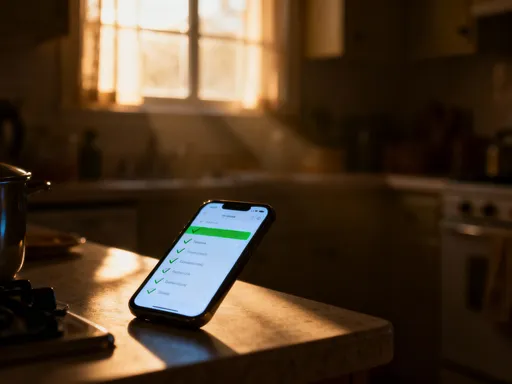
Here’s what changed. Instead of searching for tickets, they appeared—organized by trip, date, and time. When I booked a train to visit my mom, the app automatically added it to my weekend view, along with the return journey. It pulled in the weather forecast for her town and sent me a gentle reminder the night before: "Don’t forget your umbrella—rain expected Saturday afternoon." I almost cried. No one had ever thought of that for me before.
But the biggest relief? The app worked offline. I could open it without Wi-Fi, without signal, even with low battery—and my tickets were there, clear and ready. No refreshing. No panicking. On our first test run, we arrived at the station, and I simply raised my phone. The gate scanned it instantly. My kids cheered. My husband looked at me like I’d performed a miracle. I hadn’t. I’d just found a tool that respected my time and my peace.
Weekends started to feel different. Instead of starting with stress, we began with ease. I wasn’t mentally replaying the ticket hunt during the trip. I was present—talking to my daughter, pointing out birds to my son, laughing with my husband. The app didn’t just organize tickets. It organized my mind.
Building a Smarter Routine: From Setup to Daily Flow
Now, I’ll be honest—it didn’t work perfectly overnight. I had to learn how to use it well. The first weekend, I forgot to check if the tickets synced to my watch. The second, I accidentally labeled a family picnic as a business meeting. But the app was forgiving. It let me edit, reorganize, and even undo mistakes. And over time, I built a rhythm that fit my life.
Here’s how I set it up: I created a simple email rule that forwards all booking confirmations to a folder called "Weekend Plans." Then, I linked that folder to the app. Now, when I buy a ticket—whether it’s for a ferry ride or a pottery class—it shows up automatically. I spend five minutes on Friday evenings reviewing the weekend’s trips. The app shows me departure times, platform numbers, and even walking directions from the station to the destination.
I also connected it to my smartwatch. That small step changed everything. At busy gates or crowded event entrances, I don’t need to unlock my phone, open an app, and find the right screen. I just raise my wrist. It’s fast, it’s dignified, and it feels like the future I was promised. My kids think it’s cool. My mom says it makes her feel more independent when she travels alone.
The best part? The app learns. It notices I often visit the lakeside trail on Sundays, so it starts preparing that trip earlier. It sees I like coffee shops near train stations, so it suggests one when I have a layover. It’s not intrusive. It’s thoughtful. And that’s the kind of technology we deserve—not something that demands our attention, but something that gives us back time.
Sharing the Calm: How It Strengthened Family Time
You know what surprised me most? How much calmer I became—not just during travel, but with my family. I used to carry the stress of the journey into our time together. We’d arrive at my sister’s house, and I’d still be grumbling about the ticket issue or the delayed train. My kids would sense it. The mood was off before we even said hello.
Now, when we step off the train, I’m not tense. I’m present. I smile. I breathe. And that small shift changes everything. Last month, my daughter hugged me and said, "You’re not yelling at your phone anymore!" That hit me hard. She wasn’t just noticing a behavior change—she was feeling safer, more relaxed, more connected. And isn’t that what we all want for our kids? To feel that the world is calm, even when it’s busy?
We’ve all started using the same system now. My husband adds tickets for basketball games. My teenage son shares concert passes with me. Even my mom uses it—she keeps her medical appointment confirmations and local theater tickets in there. We can all see what’s coming up. No more "Did you get the ticket?" texts at the last minute. No more "I thought you had it!" arguments.
And when plans change? It’s not a crisis. Last-minute invites, weather delays, detours—we handle them with grace now. Because the tool supports us, not the other way around. Technology, when it’s done right, doesn’t pull us apart. It brings us closer. It gives us space to be human.
Beyond Convenience: Gaining Back Time and Mental Space
Let’s talk about the real gift this app gave me: mental space. I didn’t realize how much energy I was wasting on small stresses until they disappeared. That constant background hum of "Did I save the ticket? Is it on my phone? What if it doesn’t work?"—it was draining. Like a slow leak in a tire, it wore me down over time.
When that worry lifted, something unexpected happened. I started saying "yes" again. Yes to a friend’s last-minute coffee date. Yes to a sunrise walk. Yes to a new art class I’d been putting off. I had room in my mind to think, to dream, to rest. I wasn’t just saving minutes—I was reclaiming parts of myself.
That extra headspace? I use it to plan better weekends, to notice small joys, to listen more deeply. I’m not rushing through experiences anymore. I’m savoring them. And I’ve realized something powerful: the best technology isn’t the one that does the most. It’s the one that lets you do less—worry less, manage less, struggle less—so you can live more.
This isn’t about being tech-savvy. It’s about being kind to yourself. We spend so much energy holding everything together—homes, families, jobs, emotions. The least we can do is use tools that make it easier, not harder. And when a simple app can give you back peace of mind, that’s not just convenience. That’s care.
Making It Work for You: A Gentle Start Guide
If you’re feeling overwhelmed by digital tickets, I want you to know: it’s not your fault. And you don’t have to fix everything at once. I didn’t. Start small. Pick one upcoming trip—maybe a local festival, a family lunch, or a weekend hike. Choose one app that looks clean, simple, and trustworthy. Import just one ticket. Walk through the steps: can you find it easily? Does it work offline? Can someone else in your family access it?
Test it at the gate. See how it feels. If it works, try it again next weekend. If not, try another. This isn’t about perfection. It’s about progress. And remember, the best tools often come from quiet recommendations, not loud ads. Ask your friend who always seems to have it together: "How do you keep track of everything?" You might be surprised by what she says.
As you build your system, be patient with yourself. You’re not just learning an app—you’re creating a new rhythm for your life. One that values your time, your energy, and your joy. And when you finally step out the door, ticket in hand, calm in your heart, you’ll realize something beautiful: weekends should be about freedom. About connection. About breathing easy. Not about fighting your phone.
So go ahead. Give yourself that gift. Find the tool that works for you. Let it carry the weight so you don’t have to. Because you deserve weekends that start with peace—and end with happy memories, not stress stories.