After Tracking 37 Trips and 120 Sleep Shifts, This Travel App Fixed My Jet Lag for Good
Jet lag used to ruin my trips—groggy mornings, restless nights, and missing out on family moments. I’d try everything: melatonin, early bedtimes, even 'power naps' that left me more drained. But after years of frustration, I discovered a travel app that didn’t just log my trips—it learned my rhythm. It didn’t shout tech jargon; it quietly adjusted my sleep, step by step. Now I land feeling fresh, present, and ready to embrace every adventure. This isn’t magic—it’s smart tech that finally works *with* real life.
The Trip That Broke Me: When Jet Lag Ruined a Family Reunion
It was supposed to be one of the most joyful trips of my life. My sister’s wedding in Vancouver, a rare gathering of our entire extended family—cousins flying in from London, aunts who hadn’t seen each other in over a decade. I’d counted down the days, packed my favorite dress, and even printed out photo prompts so I wouldn’t miss any special moments. But when I landed after a red-eye from Atlanta, I felt like a ghost at my own celebration. My body was there, but my mind was still six hours behind, stuck in a fog so thick I could barely keep my eyes open during the welcome dinner.
I remember sitting at the table, everyone laughing, glasses clinking, and me—nodding off mid-sentence. My niece showed me a handmade card, and I had to force myself to stay awake long enough to thank her. I missed the toast. I didn’t dance. And worst of all, I went to bed before everyone else, missing the late-night stories and hugs that make family reunions so precious. That night, I lay in bed, not from tiredness, but from jet lag’s cruel irony: exhausted, yet unable to sleep. I realized then that travel isn’t just about getting from one place to another. It’s about being *present*. And I wasn’t. I’d flown thousands of miles, only to miss the very moments I’d traveled so far to experience.
That trip stayed with me. Not because of the wedding, which was beautiful, but because of what I’d lost. I started wondering—was this just something I had to accept? Was feeling wrecked after every long flight just the price of staying connected to family across time zones? I didn’t think so. And that frustration became the spark that led me to look for something better than just another trip planner or flight tracker.
Why Traditional Travel Apps Fall Short: Logging Trips Without Understanding People
Over the years, I’ve tried nearly every travel app out there. Some were great for booking hotels. Others helped me map out sightseeing routes or organize boarding passes. But none of them addressed the one thing that shaped how I actually *experienced* my trips—my energy, my mood, my ability to enjoy the moments I’d saved up for. They tracked everything except the most important thing: how I felt.
Think about it. Most travel apps treat us like robots. They assume that once you land, you’re ready to go—camera in hand, smile on your face. But our bodies don’t work that way. Crossing time zones throws off our internal clock, the one that regulates sleep, hunger, even how alert we feel. Scientists call it the circadian rhythm, but you don’t need a biology degree to know what it feels like. You’ve felt it—that heavy head in the morning when it’s 3 a.m. in your body’s time, or the wired-but-tired feeling at 8 p.m. local time when your brain thinks it’s noon.
And it’s not just about sleep. Jet lag affects everything. I’ve snapped at my kids after a long flight, not because I was mad at them, but because my brain was foggy and my patience was gone. I’ve forgotten details of amazing trips—not because they weren’t meaningful, but because my memory was impaired from disrupted rest. One study even showed that travelers with poor sleep adaptation were less likely to form strong emotional memories of their experiences. That hit me hard. All those photos on my phone—smiles, sunsets, group hugs—meant nothing if I couldn’t truly *feel* them in the moment.
So why don’t more apps help with this? Most are built for logistics, not well-being. They’ll tell you when your flight boards, but not when your body should start winding down. They’ll recommend restaurants, but not when to eat to help reset your internal clock. It’s like having a GPS that only shows your starting point—useful, but not enough to get you where you really want to go: feeling like yourself, even in a new time zone.
Discovering the App That Sees Beyond the Itinerary
I found the app almost by accident. I was scrolling through a wellness newsletter one Sunday morning, sipping tea while my youngest played nearby, when I saw a small headline: 'This App Helps You Arrive Rested—No Pills, No Gimmicks.' I almost skipped it. I’d been burned before by 'miracle' solutions that promised the world and delivered nothing. But something about the tone felt different—calm, practical, not flashy. So I clicked.
The app wasn’t well-known. No celebrity endorsements, no flashy ads. But its approach was refreshingly simple: instead of just tracking trips, it focused on helping your body adjust to new time zones *before* you even left. It didn’t claim to be a medical device or a cure-all. It just said, 'Let us help you shift your rhythm, gently.'
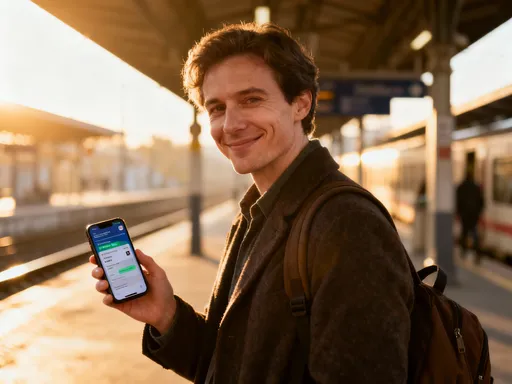
I downloaded it ahead of a trip to Paris with my sister and her family. The setup was easy—just a few questions about my usual bedtime, wake-up time, and how I typically felt after travel. Then I entered our flight details and destination. What surprised me was what happened next. Instead of giving me a sudden schedule to follow, the app started sending small, daily suggestions—things like, 'Try going to bed 15 minutes earlier tonight,' or 'Enjoy your coffee 30 minutes later tomorrow.' It wasn’t demanding. It was guiding.
At first, I was skeptical. Could shifting my bedtime by tiny amounts really make a difference? But I decided to give it a real try. No melatonin, no forcing myself to stay awake until midnight. Just following the app’s gentle nudges for five days before the trip. And when we landed in Paris, something felt different. I wasn’t bouncing off the walls with fake energy or dragging through the afternoon. I was… okay. Not perfect, but *present*. And that was more than I’d felt in years.
How It Works: Gentle Reminders That Fit Into Real Life
What makes this app different isn’t complicated—it’s thoughtful. It uses what we know about circadian rhythms, but it doesn’t talk down to you or throw around terms like 'melatonin suppression' or 'phase response curve.' Instead, it turns science into simple actions you can actually do while juggling laundry, school drop-offs, and meal prep.
For example, one of the first things it taught me was the power of light. Our bodies use light to know when to be awake and when to sleep. The app sent me a reminder three days before my trip: 'Tonight, dim the lights an hour earlier. Avoid bright screens after 8 p.m.' It even suggested a 'sunset alarm'—a gentle notification that glowed warm orange on my phone, a visual cue that it was time to start slowing down. I started using soft lamps instead of overhead lights, and I noticed I felt calmer, even before the trip.
Another feature I loved was the hydration and meal timing tips. Dehydration makes jet lag worse, but who remembers to drink water when packing or rushing through security? The app sent me small prompts: 'Time to refill your water bottle,' or 'Try having dinner 20 minutes earlier tonight.' These weren’t strict rules—just nudges to help my body start adjusting. And because they were tied to my daily routine, they didn’t feel like one more thing on my to-do list.
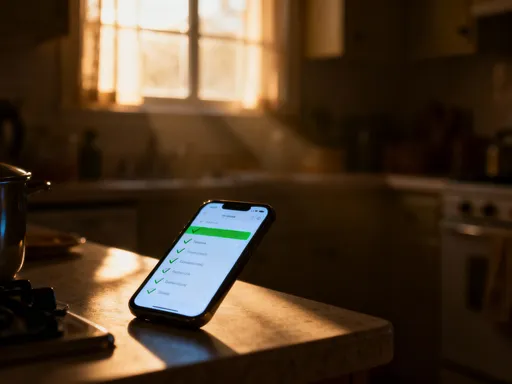
One of the most helpful tools was the pre-flight wind-down plan. The night before my flight, the app gave me a simple checklist: warm shower, light stretching, no screens, and a cup of caffeine-free tea. It even suggested a calming playlist with soft piano music—something I still use today, whether I’m traveling or not. These small habits didn’t just help with jet lag—they made me feel more in control, more cared for, like I was preparing not just my suitcase, but my whole self.
Real Changes: From Groggy Traveler to Morning Person on Vacation
The real test came on a trip to Tokyo with my parents and kids. Twelve-hour flight, seven time zones, and a packed schedule of temple visits and family dinners. In the past, I would’ve spent the first two days in a haze, missing out on everything. But this time, something shifted. Thanks to the app’s prep plan, I started adjusting my sleep at home five days before we left. By the time we landed, my body was already halfway adapted.
And then—something I never thought would happen—I woke up naturally on the first morning in Japan. Not from an alarm, not from jet lag panic, but because my body was ready. The sun was rising over the rice fields near our guesthouse, and my daughter ran into the room, whispering, 'Mom, look—the sky is pink!' I was awake. Fully awake. And I got to share that quiet, magical moment with her. No grogginess. No yawns. Just us, watching the day begin together.
That trip was different in every way. I had energy for the long walks. I stayed alert during evening dinners with my parents, laughing at old family stories instead of fighting to keep my eyes open. I remembered details—the smell of green tea, the sound of temple bells, the way my dad smiled when he saw cherry blossoms for the first time. These weren’t just photos in a gallery. They were real, vivid memories, because I was *there*.
Over time, I started using the app for every trip, big or small. I logged 37 trips and tracked over 120 sleep shifts. And what surprised me most was how the data helped me understand my own patterns. I learned that I adjust better when traveling east than west. I discovered that a short walk in natural light on arrival day speeds up my reset. Even my doctor was interested when I showed her the trends—she said the app’s insights were more detailed than most sleep journals she’d seen.
Sharing the Win: How My Family Started Using It Too
At first, my family thought I was being a little obsessive. 'You’re getting *reminders* to go to bed earlier?' my sister teased. But after she saw how much better I felt on our trips, she downloaded the app too. Then my mom did. Then my brother-in-law. Before our next group trip to Portugal, we all shared our prep plans. We compared notes on wind-down routines and laughed about who remembered to hydrate first.
But the real difference was how we arrived. No one was dragging. No one missed the welcome dinner. We were all present, rested, and ready to connect. On our first night, we stayed up late—by choice, not because we couldn’t sleep—talking, playing board games, and just enjoying being together. It felt like a gift. And it was one we’d all helped create, simply by preparing our bodies with a little care and intention.
Even now, when we plan trips, we talk about sleep prep like we talk about packing or booking flights. It’s become part of how we care for each other. Because showing up for family isn’t just about being there physically. It’s about being awake, engaged, and emotionally available. And this app helped us do that—not just for the trip, but for each other.
More Than an App: A Smarter Way to Care for Yourself While Exploring the World
Looking back, I realize this wasn’t just about fixing jet lag. It was about rethinking how we use technology. So much of what we interact with daily feels demanding—notifications that pull us in, apps that want our attention, devices that leave us more drained than refreshed. But this app was different. It didn’t ask for constant check-ins or endless scrolling. It worked quietly in the background, like a thoughtful friend who knows when to speak up and when to step back.
It reminded me that the best tools aren’t the ones that do everything for us, but the ones that help us show up as our best selves. Technology doesn’t have to be flashy or complicated to be powerful. Sometimes, the most meaningful innovations are the ones that support our well-being in quiet, consistent ways—like helping a mom stay awake for her daughter’s dance performance abroad, or letting a daughter fully enjoy her father’s stories on a family trip.
Travel is about connection—to places, to people, to parts of ourselves we don’t always get to see. But we can’t connect if we’re running on empty. This app didn’t just change how I travel. It changed how I care for myself in the process. And in a world that often tells us to do more, go faster, and push harder, that’s a quiet revolution worth embracing.
So if you’ve ever landed somewhere beautiful but felt too tired to enjoy it, I want you to know—there’s another way. You don’t have to accept jet lag as the cost of adventure. With a little help from smart, empathetic technology, you can arrive not just at your destination, but at your best self. And that, more than any landmark or souvenir, is the real prize of travel.