From forgetful to flawless: How smart reminders saved my car—and my peace of mind
You know that sinking feeling when the engine light flashes for the third time this month? I used to ignore it, telling myself, “It’ll be fine.” But one breakdown on a rainy Tuesday taught me the hard way. Vehicle maintenance isn’t just about oil changes—it’s about trust, safety, and showing up for life without worry. Now, with simple tech that remembers what I can’t, I drive with confidence. This is how it changed everything. It wasn’t just about fixing a car. It was about reclaiming control, protecting my family, and finally feeling like I had a little help in a world that never slows down.
The Moment It All Broke Down (Literally)
It was a gray Tuesday morning, the kind where the sky matches your mood. I was on my way to drop the kids at school, then head to a work meeting I couldn’t miss. The car sputtered—just once—but I dismissed it. I’d been seeing that orange engine light for weeks, flashing like a warning I kept choosing to ignore. “I’ll schedule the oil change this week,” I’d tell myself. And then life happened: a last-minute school project, a sick dog, a birthday party I volunteered to organize. Suddenly, it was Tuesday again, and the car made a sound I’d never heard before—like metal grinding under pressure.
I pulled over, heart pounding. Steam curled from under the hood. A kind stranger stopped to help, and within minutes, I was on the phone with roadside assistance. The mechanic arrived an hour later and gave me the news: the oil hadn’t just been overdue—it was gone. The engine was damaged. What should have been a $50 oil change turned into a $1,200 repair. I sat in the passenger seat of a tow truck, rain tapping the window, feeling a mix of guilt and frustration. It wasn’t that I didn’t care. I did. I care deeply about keeping our family safe, about being responsible. But in the chaos of daily life, the things that seem small—like a reminder to change the oil—slip through the cracks. And when they do, the cost isn’t just financial. It’s peace of mind. It’s time. It’s the feeling that you’ve let yourself down.
That day changed how I thought about responsibility. I realized it’s not about being perfect. It’s about having systems that help you stay on track, especially when your brain is juggling a hundred other things. I wasn’t lazy. I was overwhelmed. And I wasn’t alone. So many of us are running on mental autopilot, trying to do it all. We love our families, we work hard, we show up—but we forget. And that’s okay. What matters is how we respond when we do.
Why We Forget What Matters Most
Let’s be honest: forgetting isn’t a character flaw. It’s human. Our brains weren’t built to remember every date, every task, every maintenance window. They were built to adapt, to prioritize survival, to focus on what feels urgent in the moment. But modern life isn’t about survival—it’s about management. And the mental load of managing a household, a job, relationships, and personal well-being is enormous. Especially for women in their 30s to 50s, who often carry the invisible labor of remembering everything—doctor appointments, school forms, pet vaccines, birthday gifts. Car maintenance? It’s just one more thing on a never-ending list.
Psychologists call this “cognitive load.” When your brain is full, small but important tasks fall off the edge. You don’t forget because you’re careless. You forget because you’re carrying too much. And car care, while critical, often feels like a low-priority task—until it’s not. Until the car won’t start. Until you’re stranded. Until the repair bill arrives. Then it becomes urgent, but the damage is already done.
What’s more, we often delay car maintenance because it feels inconvenient. Scheduling service means taking time off work, arranging rides, or paying more for weekend appointments. We tell ourselves we’ll do it “next week,” but next week turns into next month. And in that gap, small issues become big problems. The irony is, we’re trying to save time and energy, but we end up spending more of both. This isn’t just about cars. It’s about how we treat responsibility. When we neglect small acts of care, we send a message to ourselves: “You don’t matter enough to protect.” But that couldn’t be further from the truth. Taking care of your car isn’t vanity. It’s self-respect. It’s saying, “I value my time, my safety, and my family’s well-being enough to stay on top of this.”
And here’s the good news: we don’t have to do it all in our heads. Technology can help carry the load. Not in a flashy, complicated way, but in a quiet, reliable one. Think of it like a co-pilot—someone who whispers, “Hey, don’t forget this,” so you don’t have to remember everything on your own.
The Rise of the Quiet Helper: Smart Maintenance Reminders
Not long after my breakdown, I started researching how to avoid it happening again. I didn’t want another scare. I didn’t want another surprise bill. What I discovered wasn’t some high-tech overhaul or expensive gadget. It was something simple: smart maintenance reminders. These aren’t futuristic robots or complicated apps. They’re gentle digital nudges—like a kind friend checking in—built right into your car or phone. They track things like mileage, time, and driving patterns to let you know when it’s time for service.
Most modern cars come with built-in systems that monitor engine performance and schedule alerts. You might have seen a message like “Service Due at 15,000 Miles” pop up on your dashboard. That’s not magic. It’s smart tech working quietly in the background. Some systems even connect to your phone, sending you a notification when it’s time for an oil change, tire rotation, or brake check. No more guessing. No more calendar math. The car knows. And now, so do you.
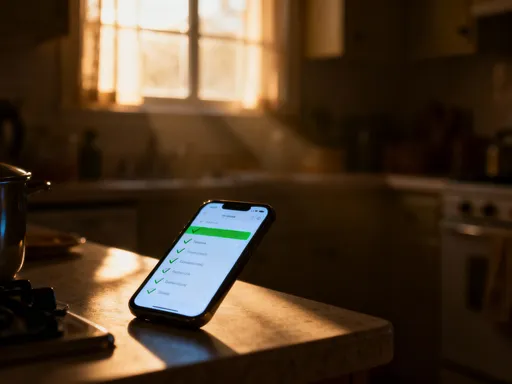
But even if your car doesn’t have a fancy system, you can still use simple tools. Syncing your car’s maintenance schedule with your phone’s calendar is easy. Set recurring alerts based on mileage or time—every 5,000 miles or every six months. You can even use free apps designed for car care that track your service history and send reminders. The beauty of it is that it’s not about being tech-savvy. It’s about being supported. These tools don’t replace you. They back you up. They’re like having a second set of eyes, making sure nothing slips through the cracks.
And the best part? They’re not pushy. They don’t demand your attention. They just show up when needed, like a gentle tap on the shoulder. “Hey, just a heads-up—your brakes are due for inspection.” No guilt. No pressure. Just clarity. That’s the kind of tech I can get behind: not something that adds to the noise, but something that brings calm.
How a Simple Alert Transformed My Routine
The first time I got a real-time reminder from my car’s connected system, I was in the middle of meal planning. My phone buzzed: “Oil Change Recommended—Due in 500 Miles.” I almost laughed. It felt like the car was talking to me. But instead of ignoring it, I opened the app and clicked “Schedule Service.” Within two minutes, I’d booked an appointment for the next day during my lunch break. No calls. No hold music. Just a few taps, and it was done.
When I arrived at the service center, the technician said, “You’re right on time. If you’d waited another week, we might have seen engine wear.” I sat in the waiting area, sipping coffee, feeling a quiet sense of pride. This wasn’t just about changing oil. It was about being proactive. It was about showing up for myself. And it cost me less than an hour of my time—time I would have lost anyway if the car had broken down again.
Now, I get reminders for everything: tire pressure, brake pads, fluid levels. One morning, I got a notification: “Brake Inspection Recommended.” I thought, “Wait, my car needs brakes? Good thing it told me.” I scheduled it for that weekend. The mechanic found that the pads were at 20%—not dangerous yet, but getting close. Replacing them took an hour and saved me from a potential safety issue down the road. More importantly, it saved me from that sinking feeling of dread I used to carry.
What’s changed isn’t just my car’s condition. It’s my mindset. I no longer feel like I’m one missed task away from disaster. I feel supported. I feel in control. And I’ve started applying this same logic to other areas of my life—setting reminders for medical checkups, home maintenance, even birthday cards. When small worries are handled automatically, you have more mental space for what really matters: being present with your family, enjoying a quiet moment, or just breathing.
Beyond the Car: Building a Life That Remembers With You
Here’s what surprised me most: once I started using smart reminders for my car, I realized how much mental energy I’d been spending on remembering. It wasn’t just about the car. It was about the constant background hum of “Did I do that? Should I do that? When should I do that?” That mental noise was exhausting. And when it finally stopped, I noticed something beautiful—more space. Space to think. Space to feel. Space to enjoy.
Technology, when used wisely, doesn’t make us lazy. It makes us freer. It allows us to offload the small stuff so we can focus on the big stuff—like watching your child’s school play without worrying if you left the oven on, or taking a weekend trip without stressing about whether the car is ready. These tools don’t replace responsibility. They enhance it. They let you be more present, more confident, more at peace.
I’ve started thinking of my tech setup as a support system—a quiet team of helpers that work behind the scenes. My phone calendar reminds me of school events. My smart speaker tells me the weather so I can pack the right gear. My car tells me when it needs care. Together, they create a rhythm of ease. And that rhythm has spilled over into other parts of my life. I’m more organized. I’m less stressed. I’m kinder to myself. Because I’m not failing at remembering. I’m succeeding at asking for help.
This isn’t about becoming a tech expert. It’s about becoming a better version of yourself—one who doesn’t have to carry the weight of everything alone. It’s about designing a life that supports you, not one that drains you. And when your car sends you a gentle reminder, it’s not just protecting your engine. It’s protecting your time, your safety, and your sanity.
Setting It Up Without the Stress
I know what you might be thinking: “This sounds great, but I’m not techy. I barely know how to update my phone.” I get it. I felt the same way. But setting up smart reminders is easier than you think. You don’t need a degree in engineering. You just need a few minutes and a willingness to try.
Start with your car. If it’s a newer model, check the dashboard menu for a “Maintenance” or “Service” section. Many vehicles have a built-in system that tracks mileage and alerts you when service is due. You can often customize these alerts—say, at 4,500 miles instead of 5,000—so you’re never caught off guard. If your car connects to your phone via Bluetooth or an app (like many brands do), enable those notifications. That way, you’ll get a message even when you’re not driving.
If your car doesn’t have a smart system, no problem. Use your phone’s calendar. Create a recurring event: “Oil Change Every 5,000 Miles” or “Tire Rotation Every 6 Months.” Add a note with your last service date and mileage so you can track progress. There are also free apps like Car Maintenance Pro or My Car Maintenance that let you log services and set custom alerts. You can even take a photo of your receipt and store it in the app—no more digging through glove compartments.
Here’s a tip: make it personal. If you drive mostly short trips, your oil might need changing more often than the standard recommendation. Adjust your reminders to fit your real-life driving. And don’t forget to include other key services—brakes, belts, fluids. Set a reminder to check your tire pressure every month. It takes two minutes and can improve fuel efficiency and safety.
The goal isn’t perfection. It’s progress. Even one reminder can make a difference. Start small. Pick one thing—oil changes, for example—and build from there. Once it becomes a habit, add another. Before you know it, you’ll have a system that works for you, not against you.
The Quiet Confidence of Never Worrying Alone
Today, when I start my car, I don’t hold my breath. I don’t scan the dashboard for warning lights. I drive with a quiet confidence that wasn’t there before. It’s not because I’ve become more organized. It’s because I’ve learned to accept help—quiet, digital help that doesn’t judge, doesn’t nag, just supports.
That breakdown on the rainy Tuesday was a wake-up call. But it was also a gift. It taught me that being forgetful doesn’t make you irresponsible. It makes you human. And being smart doesn’t mean remembering everything. It means knowing when to use the tools that help you remember.
Now, when I drop my kids at school or head to work, I do it with peace of mind. I know my car is cared for. I know I’m protected. And I know I’m not alone in the effort. That’s the real power of technology—not to impress, but to assist. Not to complicate, but to simplify. It’s not about living perfectly. It’s about living with less worry and more joy.
So if you’ve ever ignored a warning light, or put off a service appointment, or felt that pang of guilt when the car makes a strange noise—know this: you’re not failing. You’re just carrying a lot. And there’s a better way. Let your car remind you. Let your phone help. Let technology be the quiet partner that lets you breathe easier, drive safer, and live fuller. Because you deserve to move through life not with fear, but with confidence. And sometimes, all it takes is a simple alert to change everything.